Yesterday I was chatting with another RIA-ops-person and she asked me: "How many advisors have you worked with that you would trust your own money with or your families?" I've worked for around 10 advisors over the past 8 years and only 1 comes to mind. I was a fractional CSA... She said she'd worked with around 20 and only trusted 2. So basically 10%. As CSAs, we'd trust about 10% of advisors. Why is this? Surely not 90% of advisors are not good at investing money, are they? Or are liars? No, I don't believe so. I think there's a much bigger issue at play. Dead People & AIThere's a legendary study by Fidelity in 2014 that showed that "dead" investors had the best performance. I think we'll find here shortly that AI will match that superior performance as well. So where's the value? There's the famous 1% fee, and "managing investments" is an itty-bitty part of it. People say it's the planning, the advice, the human relationship, the coaching, the accountability. So I think... the industry's fascination with investments is the root cause of all its problems. Hear me out. I recently posted this on LinkedIn and one particularly astute person said: "Question for you... In the service section you reference a number of marketing tactics of firms that "do" and those that "don't"... i.e RIAs that publish 12+ posts a year, or video: median results score 29 vs. 26 (1,629 firms vs. 4,100). How do you quantify the median score difference? The difference in each service w/ results is 3 points. The 3 point spread doesn't seem to stand out as being important. Am I reading it right?"
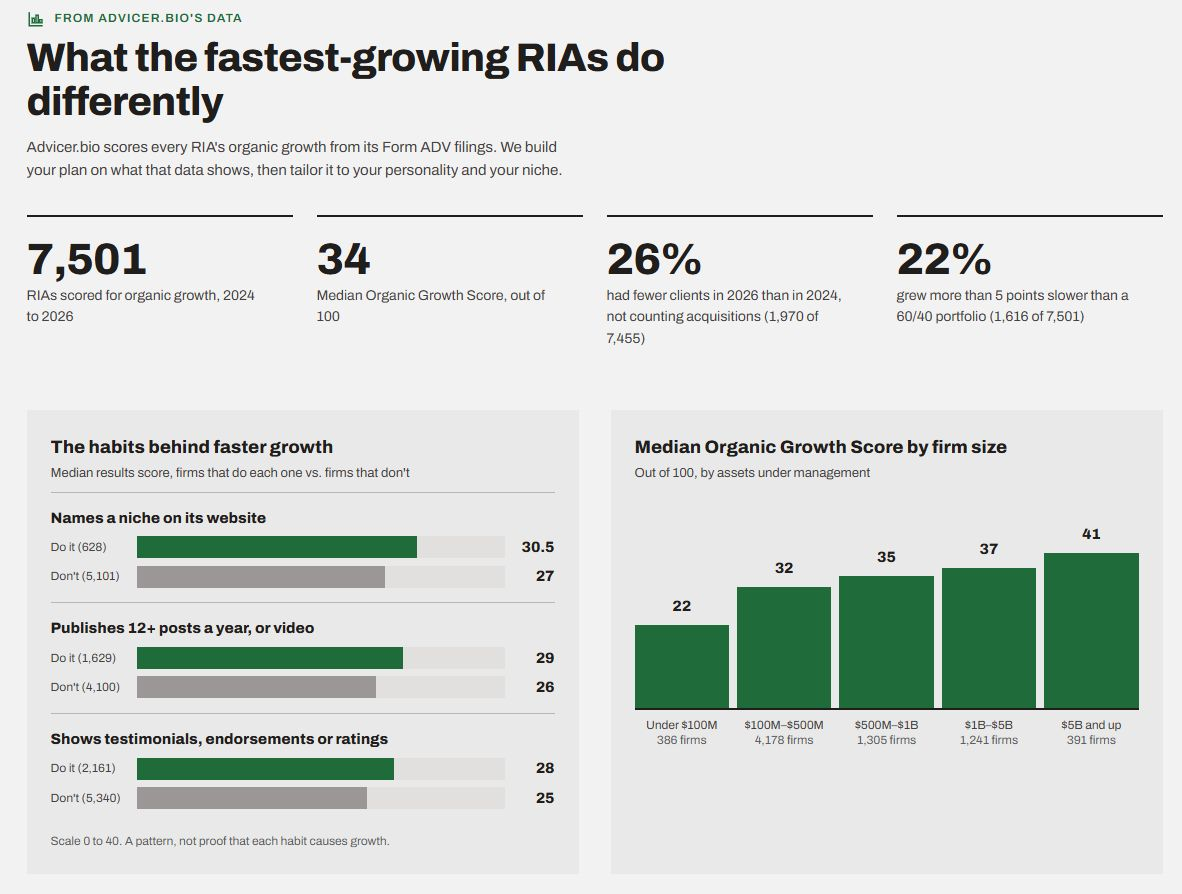
i.e. Firms that name a niche, publish regular content, and have testimonials are only a few organic growth score points better than those that don't. So... these marketing best practices are not the key. So what is? Client Satisfaction. Happy clients stay. Happy clients refer their friends. Happy clients bring the rest of their wallet share. So maybe 90% of clients just aren't all that happy with their advisor? Yes, I think this is the problem. And why are these 90% of clients not happy? Because their advisor is focused on the investments and not on them. The advisor is focused on the 1% and not on the 99% and whose money it is... whose life it is funding. We are not in the "investment management" business. We are in the "coaching" business.
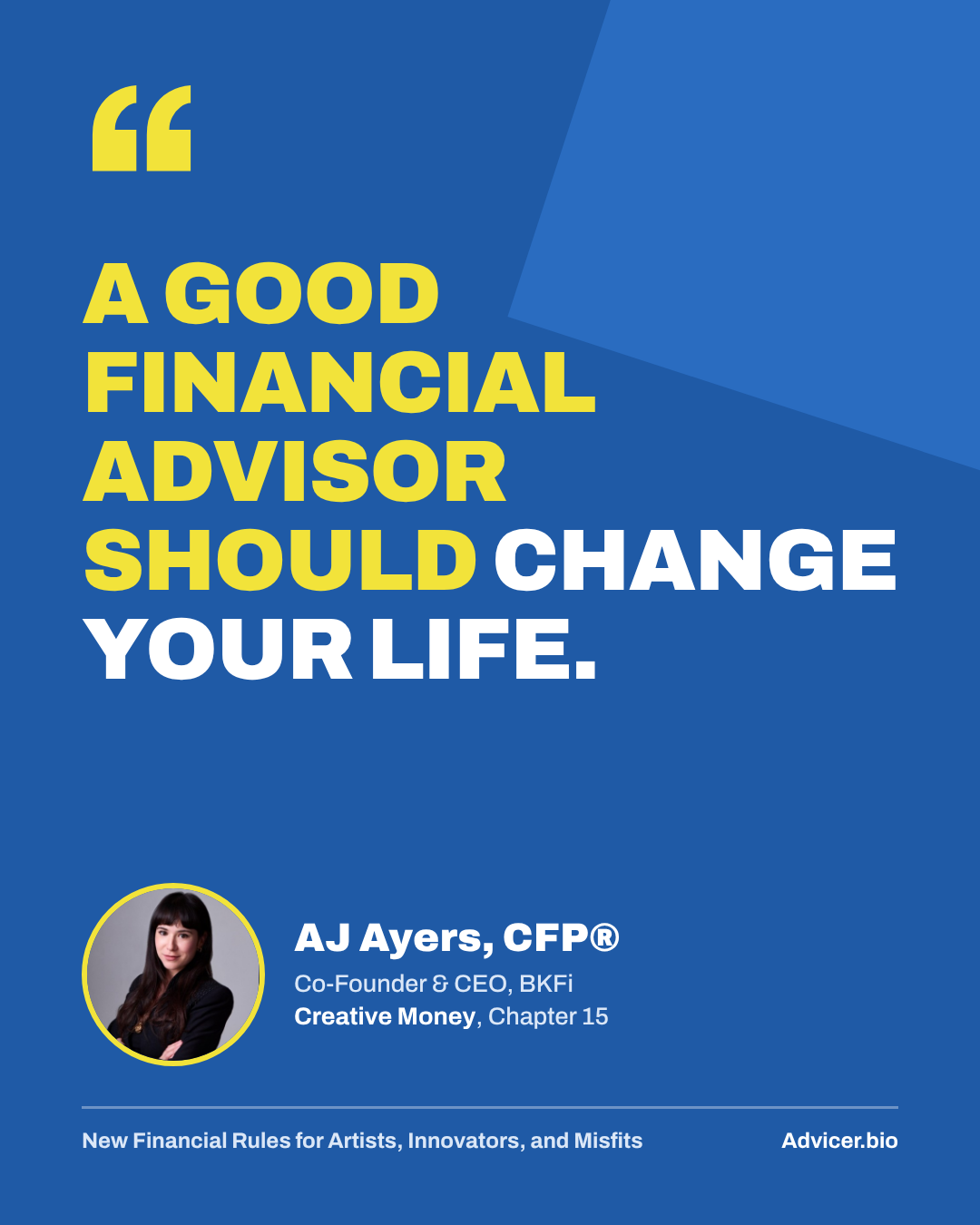
And of course: 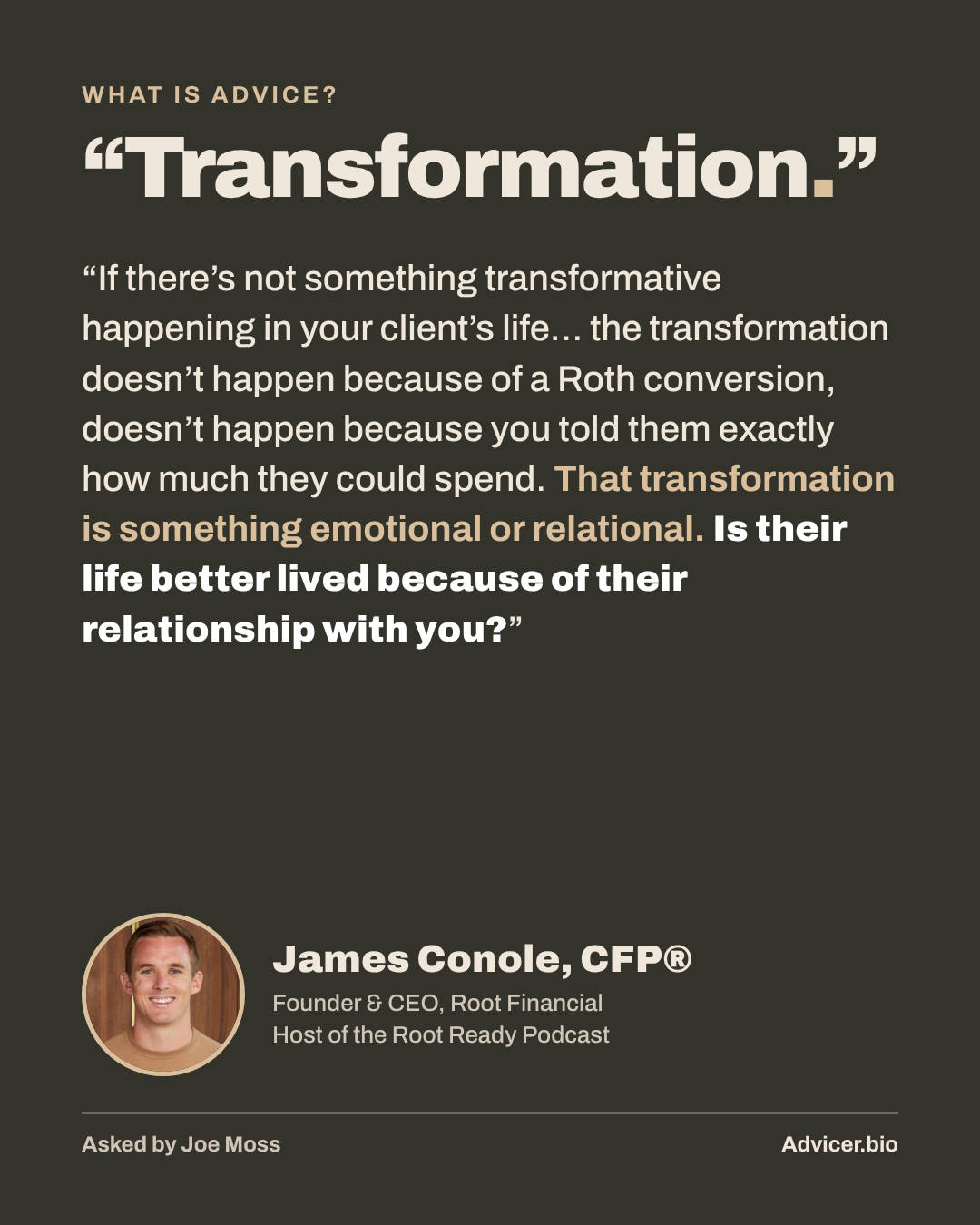
This is not just some mumbo jumbo. These two firms specifically are #24 and #46 nationally scored by their Organic Growth: https://advicer.bio/research/organic-growth-score They are the best. And they are saying that we're not in the business of investment management. We're in the business of "life transformation." So, it's really quite simple. 90% of advisors are not doing a bad job, they're just confused. Let's unconfuse them. If you are a financial advisor, the service you are delivering is coaching, i.e. life transformation. Any time you spend on investments will lead to unhappy clients, churn, and poor organic growth. So... how can a consumer determine between a good advisor and a bad one? A bad advisor is focused on investments. A good advisor is focused on the person. If the entire industry realizes this and adopts it, I think Organic Growth will come roaring back. Cheers, Joe
|